Turning Ambition into Action: How Early‑Stage Support Unlocks Landscape‑Scale Restoration
Since the launch of the Landscape Recovery scheme in 2023, environmental grants have become a powerful catalyst for landowners and farmers looking to deliver meaningful change. But Landscape Recovery is only one part of the picture. At Swallowtail, much of our work happens long before a spade hits the ground — helping people understand whether their idea is viable, fundable, and capable of delivering real ecological and financial returns.
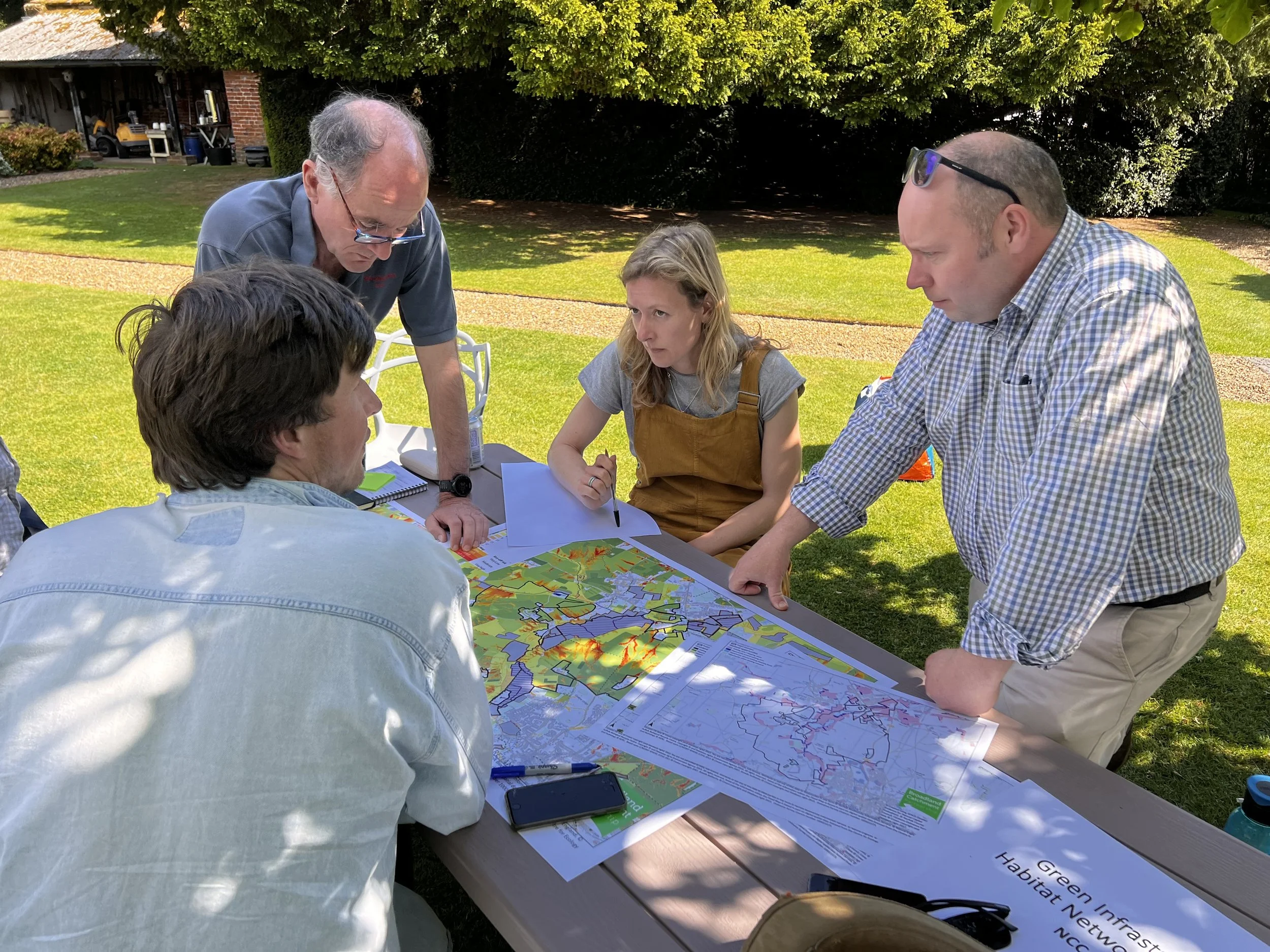
Why Early‑Stage Scoping Matters
Every successful habitat creation or restoration project begins with the same set of questions:
Is this idea a good one?
Will it work on this land, in this geography?
Will it deliver the right outcomes?
Will it be financially viable?
Answering these questions requires more than enthusiasm. It demands:
A clear and concise ecological and natural capital baseline
Early engagement with statutory bodies and neighbouring landowners
A strong understanding of local nature markets
A compelling landscape vision and masterplan
This is where many projects stall — and where Swallowtail can help.
Unlocking Funding for Feasibility and Visioning
We have become highly effective at securing third‑party funding to support these early phases. Whether through DEFRA’s Farming in Protected Landscapes (FIPL) programme, charitable foundations, philanthropy and eNGOs, water companies, the Environment Agency, Natural England or others, we know how to align project ambitions with the priorities of potential funders.
These organisations are often keen to invest in scoping and feasibility because it strengthens the pipeline of high‑quality, deliverable environmental projects — exactly the kind the UK needs.
A Case Study: Crown Point Natural Systems Project, Norfolk
One of the clearest examples of this approach in action is our work with the Crown Point Estate on the urban fringe of Norwich.
The Crown Point Natural Systems Project is a market‑leading initiative that will transform farmland and woodland into a mosaic of species‑rich habitats. Its scale and location mean it can serve as part of the “green lungs” of Norwich, directly connected to Whitlingham Country Park—the city’s most-visited green space.
The vision is ambitious and holistic:
Increased public access and green social prescribing
Ecological restoration at the landscape scale
Long‑term funding through nutrient mitigation, biodiversity net gain, natural flood management and carbon markets
Swallowtail has worked closely with the landowners and a wide range of stakeholders including WWF, Water Resources East, The Nature Conservancy, Norfolk County Council, and Anglian Water. Together, we have taken the project from concept to market readiness, securing seed funding from aligned partners along the way.
From Feasibility to Delivery
Our expertise doesn’t end once the vision is agreed upon. We also support:
Large grant and seed capital applications to de‑risk early delivery
Nature market strategies to secure long‑term funding
Practical steps to move from planning to implementation
Whether you’re exploring a small‑scale habitat creation project or a landscape-scale transformation, we can help you navigate the early stages with confidence.
Let’s Talk About Your Project
If you’re considering a land-based environmental project — at any scale, at any stage of development — we’d be delighted to discuss how Swallowtail can support you.